Patterns Linking Seasonal Tournament Structures with Reward Systems in Athletic Predictions and Card Game Platforms
Skriven av Henrik Roth · 2026-10-07
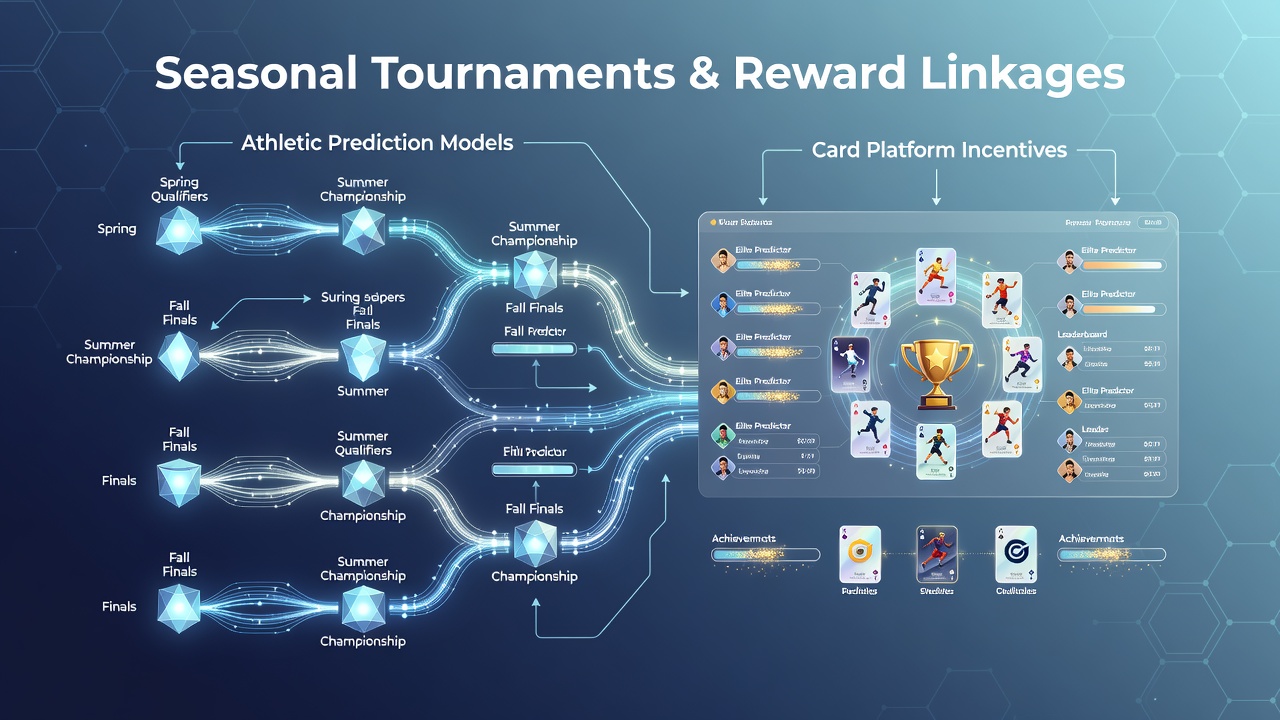
Patterns Linking Seasonal Tournament Structures with Reward Systems in Athletic Predictions and Card Game Platforms
Seasonal tournament structures shape reward systems across athletic prediction platforms and card game environments in measurable ways, with data showing consistent alignments between league cycles and payout distributions. Observers note that platforms adjust reward tiers to match the length of athletic seasons, such as those running from fall through spring in major team sports, while card game operators apply similar calendars to multi-week series that culminate in championship events. Researchers have tracked these patterns through platform analytics, revealing that reward multipliers often increase during peak seasonal months to sustain participation rates.
Seasonal Frameworks in Athletic Predictions
Athletic prediction platforms organize contests around fixed seasonal calendars, and reward systems reflect those boundaries through progressive prize pools that accumulate across weeks or months. Data indicates that users who maintain consistent prediction accuracy over an entire season receive scaled bonuses, whereas shorter weekly events distribute smaller, immediate payouts. Studies from academic institutions have documented how these structures encourage longer engagement periods, with participation metrics rising notably when rewards tie directly to cumulative seasonal performance rather than isolated matches.
October 2026 marked a period when several platforms introduced mid-season reset mechanisms that preserved accumulated points while recalibrating reward brackets for remaining fixtures. Figures from industry reports reveal that such adjustments correlated with a measurable uptick in active predictor accounts during the transition into winter schedules. Platforms operating in regions with strong professional leagues coordinate these seasonal reward cycles with broadcast calendars, ensuring alignment between major events and heightened prize offerings.
Card Game Platform Adaptations
Card game platforms mirror seasonal tournament rhythms by segmenting their calendars into ranked seasons that last several months, with reward systems delivering tiered benefits based on final standings. Operators structure leaderboards so that points earned in early months carry forward, yet late-season surges determine the highest reward brackets. Evidence from platform usage data shows that players who participate across full seasonal arcs achieve higher average returns compared with those entering only for final events.
Analysts have observed that card game reward systems frequently incorporate seasonal qualifiers that feed into larger championship payouts, creating pathways where consistent mid-tier performance unlocks access to premium prize pools. In October 2026, several platforms adjusted their seasonal endpoints to coincide with international card game festivals, resulting in synchronized reward releases across multiple sites. These alignments allow operators to manage liquidity while maintaining steady engagement through predictable cycles.
Interconnections Between Athletic and Card Game Reward Patterns
Platforms that host both athletic predictions and card game formats demonstrate overlapping reward mechanics tied to seasonal structures. Data shows that users migrating between the two categories often encounter similar progression systems, where seasonal completion unlocks cross-platform bonuses. Researchers tracking user behavior across integrated environments have found that reward continuity encourages sustained activity, particularly when seasonal resets preserve partial progress rather than erasing it entirely.
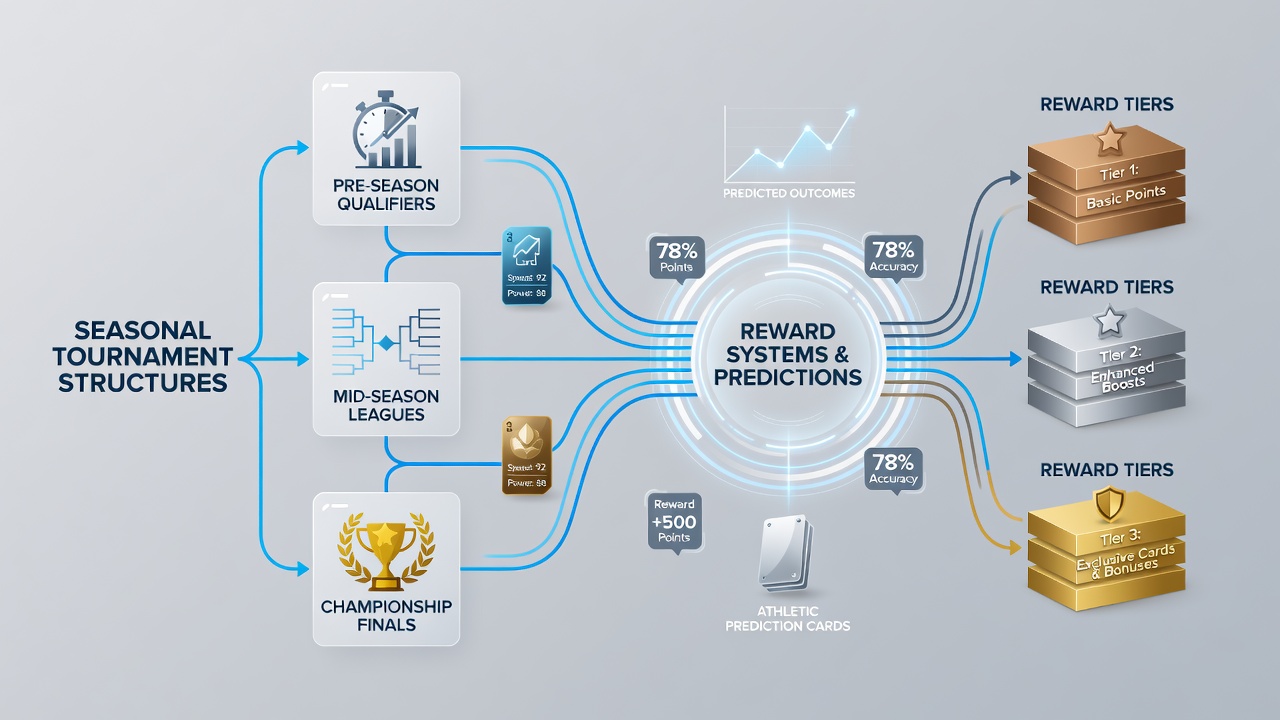
One documented pattern involves the use of seasonal multipliers that scale rewards according to the number of completed tournament stages, a feature appearing in both athletic prediction leaderboards and card game series. Industry analyses indicate that these multipliers help stabilize participation rates during transitional periods between major seasons. Platforms in North America and Australia have adopted comparable frameworks, adjusting reward frequency to match local sporting calendars and card event schedules.
Data Trends and Platform Adjustments
Statistical reviews covering multiple years highlight that reward systems perform best when they synchronize payout timing with seasonal peaks, such as championship weeks or final table events. According to findings published by the University of Melbourne, platforms that align reward releases with seasonal conclusions experience steadier retention curves than those distributing prizes uniformly throughout the year. Operators respond by calibrating prize pool sizes to seasonal length, allocating larger portions to extended tournaments while maintaining smaller weekly incentives.
Canadian regulatory summaries further illustrate how seasonal structures influence reward transparency requirements, with operators required to disclose how points convert to prizes across multi-month cycles. These disclosures have enabled comparative studies showing that card game platforms often apply steeper reward gradients near season ends, whereas athletic prediction sites favor more gradual accumulations. The resulting patterns create distinct user pathways that reward different engagement styles.
Conclusion
Seasonal tournament structures continue to define reward system architectures in both athletic prediction and card game platforms through documented alignments in timing, scaling, and payout distribution. Data collected through October 2026 and earlier periods demonstrates that these linkages produce measurable effects on participation duration and reward accessibility. Platforms maintain these patterns by coordinating seasonal endpoints with external event calendars while adjusting internal mechanics to preserve user progression across cycles.