Tracing Intersections Between Promotional Incentives and Strategy Elements Across Athletic Forecasts with Card-Based Platforms
Skriven av Xander Schulz · 2026-10-21
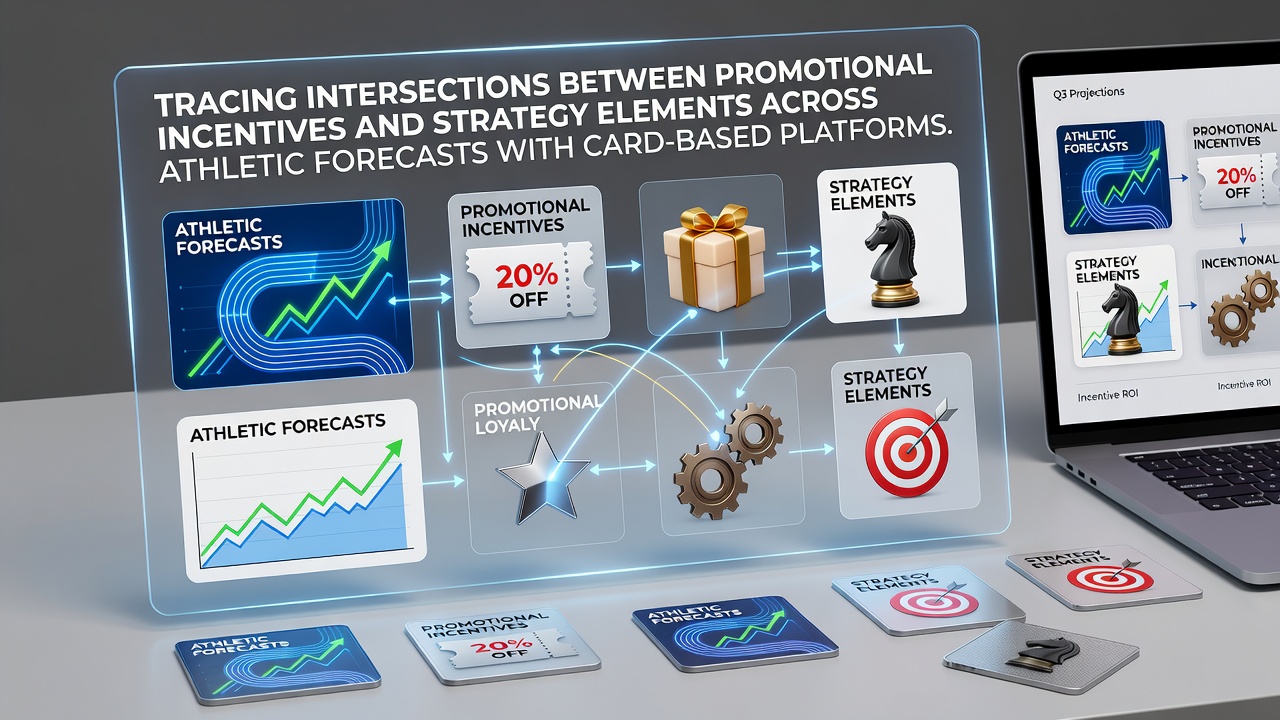
Tracing Intersections Between Promotional Incentives and Strategy Elements Across Athletic Forecasts with Card-Based Platforms
Platforms that combine athletic forecasts with card-based games have developed systems where promotional incentives align directly with player decision-making patterns, and these alignments shape how users allocate time and resources across both formats. Data collected through operator dashboards in 2025 indicate that users who receive targeted deposit matches or free prediction credits often adjust their forecasting approach to meet wagering requirements tied to those offers, while similar mechanics appear in card rooms where rakeback and tournament entry bonuses influence starting hand selection and session length.
Platform Structures Linking Forecasts and Card Play
Operators have integrated loyalty tiers that carry across sports prediction interfaces and virtual card tables, allowing accumulated points from one activity to unlock benefits in the other. Reports from the Australian Communications and Media Authority show that multi-format accounts grew by 18 percent between 2024 and 2025, with users frequently moving between live match predictions and Texas Hold'em tables within the same session. The structure encourages strategic carryover because bonus funds earned through card volume can be deployed on athletic forecasts without additional deposits, creating measurable shifts in bet sizing and card aggression levels.
Promotional Mechanics and Decision Patterns
Free-to-play prediction contests that award card-table credits represent one common intersection, and participants who advance through bracket stages often carry momentum into cash-game sessions where the same credits reduce variance exposure. According to figures released by the Canadian Centre on Substance Use and Addiction, platforms offering cross-format rollover requirements recorded higher average session counts in October 2025 compared with single-format sites, suggesting that users extend play to clear incentives rather than stopping at natural break points. Strategy elements adapt accordingly: forecasters who receive boosted odds on specific leagues tend to apply similar value-seeking logic when selecting starting ranges at the card tables, while card players who unlock prediction bonuses frequently scan for correlated market movements across both environments.
Seasonal Adjustments in 2026
October 2026 introduced updated compliance layers in several jurisdictions that require clearer disclosure of how promotional funds convert between athletic and card products, and early operator filings reveal that these rules prompted redesigns of rollover tracking dashboards. Users now encounter progress bars that display combined progress across both categories, reducing ambiguity about when funds become withdrawable. Research published by the University of Sydney's Gambling Treatment and Research Clinic notes that transparent tracking correlates with steadier play volumes rather than abrupt spikes, because participants can plan allocation across forecasts and card sessions without guessing remaining requirements.
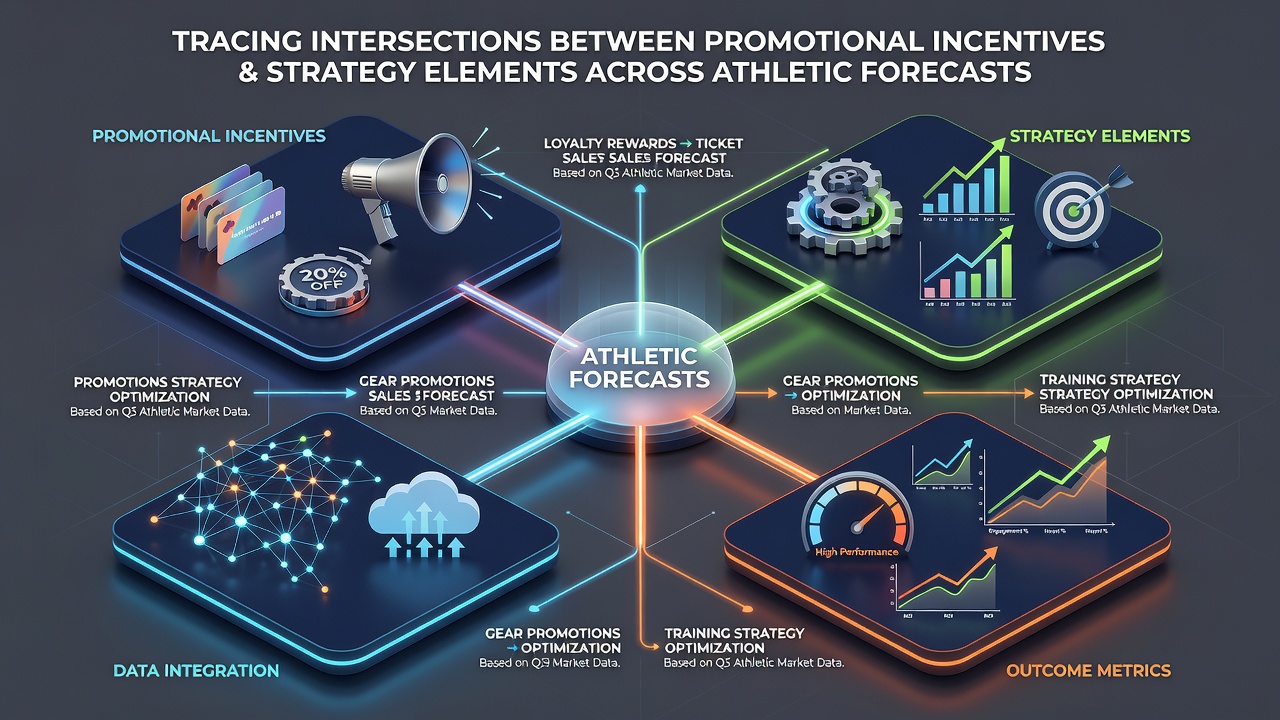
Data Patterns Across User Segments
Segmented analytics from mid-sized European operators indicate that recreational users respond more strongly to prediction-based bonuses that feed into card freerolls, whereas experienced card players show higher engagement when athletic forecast credits reduce entry fees for scheduled tournaments. Both groups demonstrate measurable adjustments in risk exposure once incentives activate, with average stake sizes rising within the first three sessions after bonus receipt before stabilizing. These patterns hold across time zones, although peak activity hours differ between regions with heavy football calendars and those dominated by poker festival schedules.
Regulatory Context and Reporting Requirements
Authorities in multiple regions have begun requesting disaggregated data that separates incentive-driven activity from organic play, and platforms must now supply monthly summaries showing how promotional credits migrate between athletic forecasts and card environments. The resulting datasets allow observers to track whether certain incentive structures produce sustained cross-format participation or merely temporary volume spikes. Early returns from these filings suggest that incentives tied to skill-based card outcomes maintain longer engagement windows than those attached solely to prediction accuracy, because card results allow repeated application of learned adjustments within the same promotional cycle.
Conclusion
Operators continue refining the points at which promotional incentives intersect with strategy across athletic forecasts and card-based platforms, and the October 2026 compliance updates have made those intersections more visible through standardized reporting. The available data illustrate consistent movement of users and resources between the two formats when incentives are structured to permit such transitions, with measurable effects on session length, stake distribution, and risk calibration. Continued collection of cross-format metrics will determine how these systems evolve under existing and future regulatory frameworks.